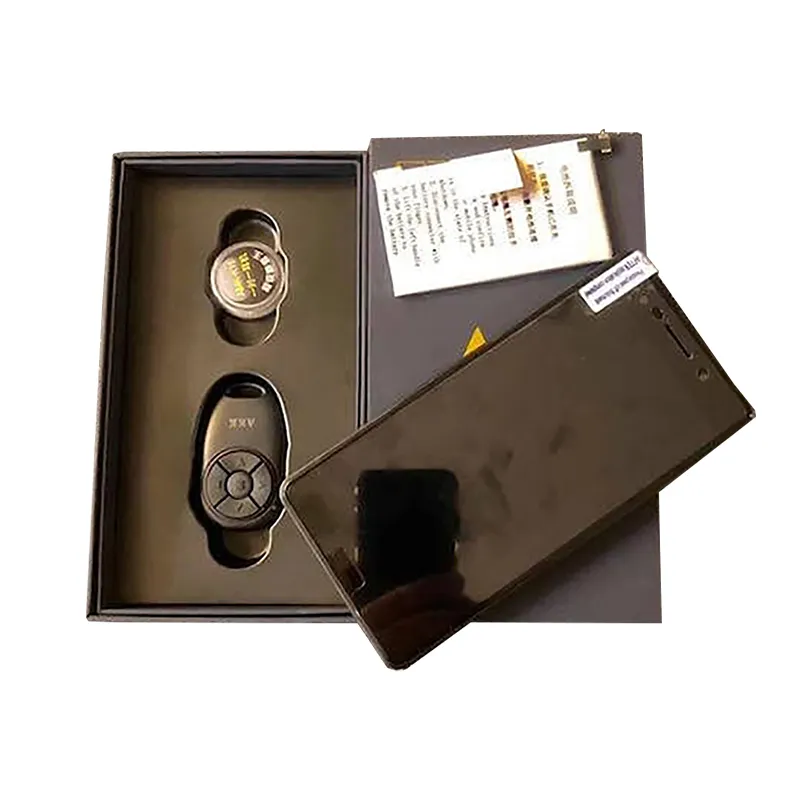
In the high-stakes world of private Texas Hold’em and Omaha games, a reliable poker analyzer (also known as barcode marked cards scanner or poker winner predictor) is your ultimate edge. Devices like the CVK 680 Poker Analyzer, AKK A2 Poker Analyzer System, AKK A1 Scanner Analyzer, CVK 600 Poker Analyzer Phone, GS Poker Analyzer, LD Poker Now Analyzer, and iPhone-based models deliver real-time winner predictions by decoding invisible barcode markings on the card edges.
But even the best poker cheating devices hit snags in the heat of battle — scanning failures, silent earpieces, inaccurate equity reads, battery drain, or signal dropouts can kill your advantage instantly. This 2026 troubleshooting guide, based on real user reports and factory testing from CVK, AKK, GS, and similar systems, solves 90% of common poker analyzer problems in under three minutes.
Whether you run a CVK 500 Game Poker Analyzer, AKK A4 Poker Card Analyzer, CAC Poker Cheating Analyzer, or any wide-range barcode scanner setup, these fixes will keep your discreet scanning edge sharp and your real-time hand rankings accurate.
1. Poker Analyzer Not Detecting Barcode Marked Cards (Most Common Issue)
Symptom: The scanner shows no data, no winner prediction appears, or the device simply ignores the deck.
Quick Fix (30–60 seconds):
- Check scanning distance — Optimal range is 20–45 cm (wide-range models like AKK A2 and CVK 400 excel here). Too close or too far kills the barcode decode.
- Clean the lens — Dust, fingerprints, or smudges on the hidden camera (built-in or external) block barcode reading. Use a microfiber cloth — no liquids.
- Lighting check — Avoid direct sunlight or total darkness. Even casino-grade analyzers need consistent ambient light for stable barcode decoding.
- Card compatibility — Only genuine barcode marked cards work. Standard decks or invisible ink versions will fail every time.
Pro tip: Test with a fresh deck of your matched barcode marked cards before the session.
2. No Sound from Bluetooth Earpiece or Vibration Mode Silent
Symptom: You get the scan but no “Seat 3 is the winner” whisper or vibration alert.
Quick Fix:
- Confirm all components (scanner, analyzer, earpiece) use the same signal frequency — CVK and AKK systems have 1–3 frequency bands; mismatch is the #1 culprit.
- Re-pair Bluetooth: Power cycle the entire poker analyzer kit, forget the device on your phone/analyzer, then reconnect.
- Check earpiece battery and volume — Skin-tone discreet earpieces drain faster in long sessions.
- Switch to vibration mode if the venue feels hot (eye-in-the-sky risk).
3. Inaccurate Winner Predictions or Wrong Equity Read
Symptom: The system calls the wrong seat as winner or shows impossible hand rankings.
Quick Fix:
- Double-check game mode (Texas Hold’em vs Omaha) and player count (2–10 seats) — one wrong setting ruins the entire real-time calculation.
- Recalibrate the deck in the analyzer menu before play.
- Ensure the full barcode deck is loaded correctly (no bent or worn cards).
- Update firmware if available — newer CVK 680 and AKK A6 models include improved prediction engines.
4. Battery Drains Too Fast or Device Shuts Down Mid-Game
Symptom: Your CVK 600 or AKK A1 dies after 2–3 hours instead of the advertised 6–12 hours.
Quick Fix:
- Close background apps and enable power-saving mode.
- Use the original charger and avoid cheap third-party cables.
- Turn off unnecessary features like constant preview mode when not scanning.
- For phone-based analyzers (iPhone 12 Pro Poker Hand Analyzer or CVK 400 iPhone X), keep brightness low and disable auto-updates during play.
5. Signal Interference or Constant Disconnection
Symptom: Frequent dropouts in busy casinos or multi-table private games.
Quick Fix:
- Change to a less crowded frequency band (most CVK/AKK/GS models let you cycle through 3 channels).
- Keep the analyzer away from other wireless devices (phones, routers, other scanners).
- Use the latest wide-range external camera for better signal stability in large tables.
6. Device Black Screen or Won’t Enter Game Interface
Symptom: After powering on, the analyzer stays on the boot screen.
Quick Fix:
- Enter the correct authorization code (supplied with your poker analyzer kit).
- Perform a factory reset (check your model manual — CVK 500 and AKK A2 have simple button combinations).
- Ensure the delay mode (anti-detection feature) isn’t set too high.
7. Card Moves Too Fast or Dynamic Scan Fails
Symptom: Works on slow dealing but fails when cards are riffled or passed quickly.
Quick Fix:
- Enable “fast scan” or “dynamic mode” in settings (available on CVK 680, AKK A4, and GS models).
- Practice the correct card-edge angle — the barcode must face the hidden lens for 0.5–1 second.
Bonus: Prevention Tips for Long-Term Edge
- Always test your full poker analyzer system (scanner + analyzer + discreet earpiece) 30 minutes before the game.
- Keep spare barcode marked cards and a backup frequency earpiece in your kit.
- Store everything in a protective case to prevent lens scratches or battery corrosion.
Mastering these fixes keeps your barcode marked cards scanner performing at 99.9% accuracy — exactly what separates consistent winners from one-time users in Texas Hold’em and Omaha.
Ready to upgrade or replace your current setup with the latest stable models? Explore the full collection of professional poker analyzers — including CVK 680, AKK A2, GS, LD, and phone-integrated systems — at Poker Analyzer Shop.
→ View All Poker Analyzer Systems Here
Whether you need a wide-range scanner for big tables or a super-discreet iPhone poker analyzer for low-profile play, you’ll find the exact winning predictor kit that matches your game and risk level. Stop troubleshooting and start dominating — your edge awaits.
Leave a Reply